Email Marketing Made Simple: Practical Tips for Beginners
September 11th, 2025
Email marketing is powerful because it reaches people who actually want to hear from you. While traditional ads can be expensive and unpredictable, email is a smart, budget-friendly way to get customers.
Learn how to do email marketing. This guide shows how to build an email list, write emails that get read, and grow trust with your customers.
What You’ll Learn in This Guide:
- What Email Marketing Is and How It Works
- Key Benefits of Email Marketing for Your Business
- How to Start Email Marketing Step-by-Step
- How Your Website Can Boost Email Marketing Results
- Collecting Emails with Your Webnode Website
What Is Email Marketing
Email marketing is a great way to connect with your audience directly. Think of it as a simple, continuous process: you attract interested people, turn them into subscribers, keep them engaged with valuable content, and then guide them to become customers.
Unlike social media, where your posts might only reach a tiny fraction of your followers, emails land right in your subscribers’ inboxes. That’s why emails get opened more often, around 36% compared to the 2-5% reach of social media posts.
How Does Email Marketing Work
The process is straightforward:
- Collect emails on your website from interested visitors.
- Organize your email list into groups — for example, based on what topics they’re interested in, or what products they clicked on.
- Send relevant content to your email list that builds relationships with your visitors.
Email marketing platforms do most of this automatically. For instance, they can instantly send welcome messages to your new subscribers or follow-up emails based on specific actions.
This works great because it’s permission-based. This means that people have chosen to hear from you, making your audience highly engaged and receptive.
Benefits of Email Marketing for Your Business
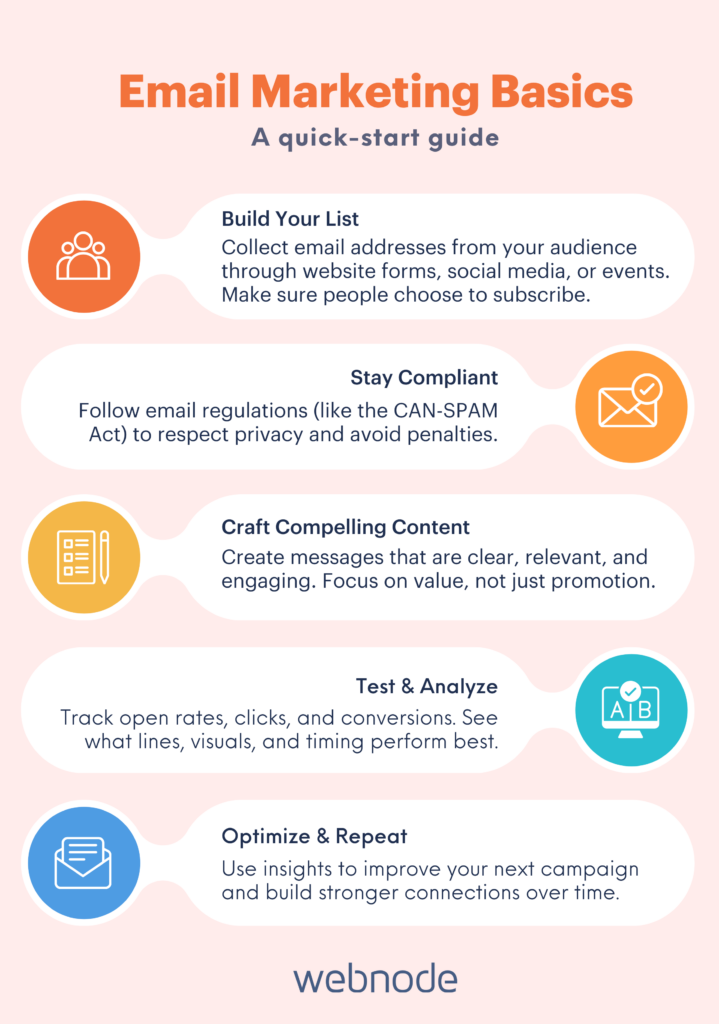
Email marketing is one of the most budget-friendly tools available, and that’s great news for small businesses. With just a small investment, you can reach hundreds or even thousands of people who are already interested in what you offer.
It levels the playing field, giving you a chance to build strong relationships with customers, just like the big brands do, without needing a big budget.
Here are some other reasons why email marketing can benefit your business:
- Higher Engagement and Stronger Relationships: Your messages land directly in personal inboxes. This creates a more intimate and direct way to communicate than other digital channels like social media.
- You Own Your Audience: Unlike social media platforms that can change their rules or even disappear, your email list belongs to you forever. No platform can take it away or limit who sees your messages.
- Growing Website Visits and Sales: Email is a direct channel to encourage subscribers to visit your website, explore products, or complete a purchase. By sending targeted offers and valuable content, you can effectively guide the purchase process.
- Won’t break the bank: After the initial setup, sending emails can cost just pennies per message, making it an accessible marketing tool no matter your budget.
How to Start Email Marketing Step-by-Step
To kick off your email marketing efforts, you’ll need a few key pieces working together. This includes understanding how to create an email list effectively, ensuring you follow all legal rules for data, creating engaging content to send, and using a professional email address to build trust.
This way your emails don’t just land in inboxes, but actually get opened by potential customers.
Let’s see how to do email marketing step-by-step.
1. Get Your Own Domain for Professional Email
If you set up a professional email address, it can instantly boost your credibility with subscribers. Emails from “yourname@yourdomain.com” appear far more trustworthy than generic email addresses, such as those from Gmail. Having your own domain leads to:
- Higher open rates
- Less chance of landing in spam folders
- Stronger brand recognition
- A more professional overall appearance
Registering your own domain name (like yourbusiness.com) goes beyond just email. It becomes your central online address, supporting all your marketing efforts and building your brand across every channel.
Tip: You can learn more about domains in our previous article: Why You Better Register Your Domain Name.
2. Choose Your E-mail Marketing Platform
You might wonder why not just use your domain’s regular email service for newsletters. While it seems a convenient solution, these servers aren’t built for mass mailings and also have sending limits.
Regular email services also lack features like open and click tracking, list management, and automation tools. Dedicated email marketing platforms can be a better choice. They’re specifically built for this purpose and help ensure reliable delivery. They also help your emails land in inboxes — not in spam folders — which is called “email deliverability.”
When it comes to choosing an email marketing platform, popular options include:
- Mailchimp: Great for beginners with easy-to-use templates.
- Constant Contact: Perfect for small businesses.
- ConvertKit: Designed specifically for content creators.
Each email service provider offers different features and pricing, so pick the one that best fits your business needs and budget.
Tip: To ensure your emails land in inboxes and not in spam, configure your DNS records properly. If you’re using Webnode, contact our support team, and we’ll help you get this set up.
3. Set Up a Cookie Bar
You need people’s permission before collecting their email addresses. Privacy rules like GDPR in Europe, LGPD in Brazil, and CCPA in the US all require consent before you can collect personal data, including emails.
Set up a simple consent message on your website. When visitors use your signup forms, they need to agree first. This keeps you legal and builds trust.
Your signup forms may track how many people see and fill them out. To use these tracking tools, you need to ask visitors for permission, especially if they’re in the EU or other regions with privacy laws.
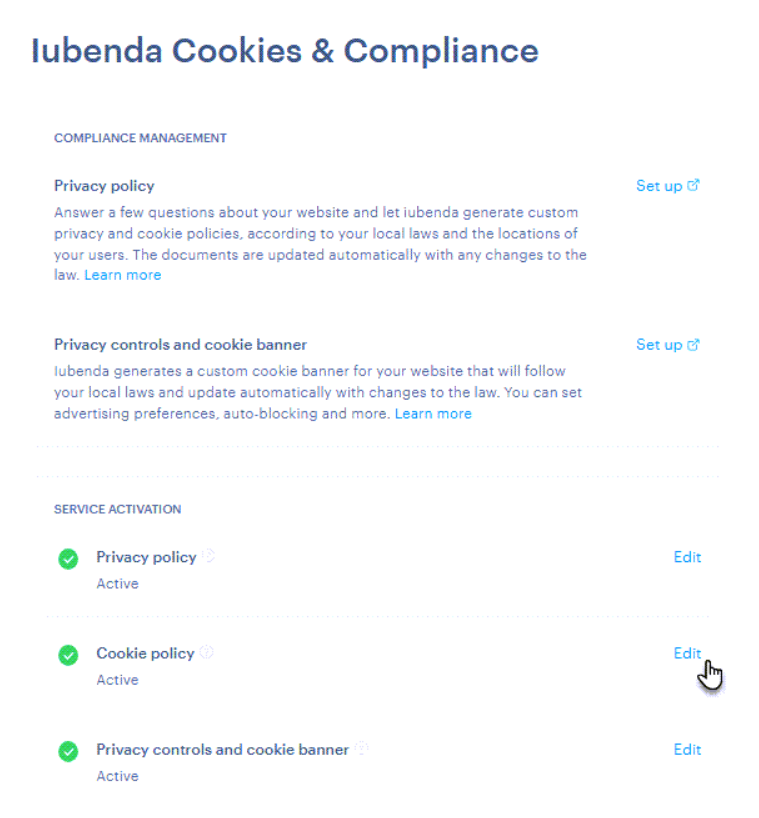
Specialized tools like iubenda Compliance Solution can help you set this up automatically and create all the legal notices you need. Learn more about how to purchase the iubenda Plugin.
4. Build Your Email List
Building your email list usually starts with offering something valuable in return for an email address. This is called a “lead magnet” — a free, helpful resource that you offer in exchange for someone’s email address
The best lead magnets solve your audience’s immediate problems with specific, actionable solutions:
- Exclusive content (like special articles or reports)
- Industry insights
- Discount codes or special offers
- Free resources such as guides or templates
- Early access to new products or services
For example, you could offer “The 15-Minute HIIT Workout That Burns Fat Without Equipment” for a fitness site – it promises a clear outcome and removes common barriers.
As a marketing consultant, you might share “5 Subject Lines That Doubled My Client’s Email Open Rates” because it’s specific and results-focused.
For your e-commerce store, create urgency with “25% Off + Free Shipping (Next 48 Hours Only)” to drive immediate action. Focus on the exact transformation your audience will experience and ensure they can use your lead magnet within minutes of downloading it.
You’ll want to add sign-up forms in several places on your website, like your homepage, blog posts, and even during the checkout process. Each form should clearly explain what subscribers will get and how often you’ll email them.
Tip: When creating an email list, quality often beats quantity. A smaller list of people genuinely interested in your content usually performs better than a huge list of unengaged individuals. Focus on attracting your ideal customers.
5. Create Engaging Email Content
The best email content always focuses on your subscribers’ needs first, with promotions coming second. Sending regular newsletters is an excellent way to stay in touch, sharing valuable information like:
- Industry trends and insights
- Company news and behind-the-scenes glimpses
- Helpful tips related to your expertise
- Exclusive offers just for subscribers
Different types of email marketing serve various goals:
- Welcome emails introduce your brand to new subscribers.
- Educational content builds your authority and their trust.
- Promotional emails drive sales.
- Re-engagement campaigns help win back inactive subscribers.
Write your emails in a tone that feels like you — whether that’s friendly, professional, or casual. Focus on helping your subscribers solve a problem, learn something useful, or simply get a bit of inspiration. The goal is to make people look forward to your next message.
How a Website Can Boost Your Email Marketing
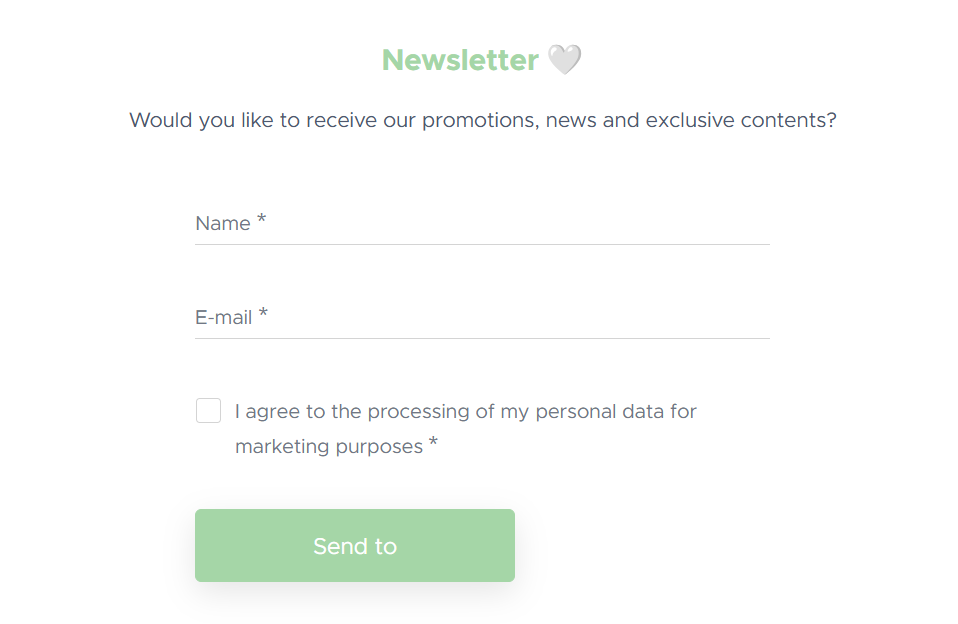
Your own website offers you several opportunities to gather email addresses and turn visitors into subscribers. For example, take a look at how Leaf naif uses a simple newsletter banner at the bottom of their page with the message “Would you like to receive our promotions, news and exclusive content?” This approach feels natural and non-intrusive while clearly communicating the value subscribers will get.
Every page can become a point where someone decides to join your list.
- Drives Sign-ups: Pages built specifically to collect emails on your website perform much better than general forms. They clearly highlight your value and smoothly guide visitors to subscribe.
- Builds Trust & Credibility: Your website can help people feel comfortable sharing their email. A professional design, clear contact details, and helpful content show your business is legitimate.
- Attracts Subscribers: Content marketing through blogs draws in visitors actively looking for your solutions. These prospects are more likely to subscribe because they’re already engaging with your expertise.
- Provides Analytics: You can easily track what’s working. You can access detailed metrics showing which messages your visitors like the most.
Create your website and start collecting emails from day one
How to Collect Emails for Email Marketing with Your Webnode Website
Webnode makes gathering emails straightforward thanks to its built-in form builders and integrations.
Here are your main options:
Add a Newsletter Form: Use Webnode’s built-in form builder to create newsletter sign-up forms. You can customize colors, fonts, and layouts to match your brand, then place them on key pages like your homepage, about page, and blog posts.
Add a Banner from an External Platform: If you’re already using an email marketing platform like Mailchimp, you can embed their signup forms directly into your Webnode site using HTML code. This creates a seamless connection between your website and your email platform.
Tip: Position your signup forms and banners where they’re easy to see — like your website’s header or in sidebar widgets. You can also place them at the end of articles as a bonus spot, but keep in mind that not everyone scrolls that far. Try to avoid pop-up forms, as these can sometimes frustrate mobile users.
Export Your Email List to Send Your Newsletter: Once you’ve collected emails through your Webnode forms, you can export your subscriber list to use with your chosen email marketing platform. This ensures all your collected contacts are ready for your campaigns.
Conclusion
Email marketing gives you direct access to people interested in hearing from you. It’s affordable, measurable, and works better than most other marketing methods.
Start with the basics: build your email list with valuable offers, follow privacy laws, create helpful content, use a professional email address, and choose a reliable email marketing platform to send your newsletters. These steps create a strong foundation for growing your business.
Your website is key to making this work. It’s where people discover you and decide to join your list.
Create your website and connect with your first subscribers

Csilla Huszárik has 8 years of content writing experience, combining her passion for storytelling with a tech background. She specializes in translating complex technical concepts into user-friendly, benefit-oriented content that delivers value while converting well. Having lived in multiple countries, she speaks and writes in four languages and loves exploring new destinations.